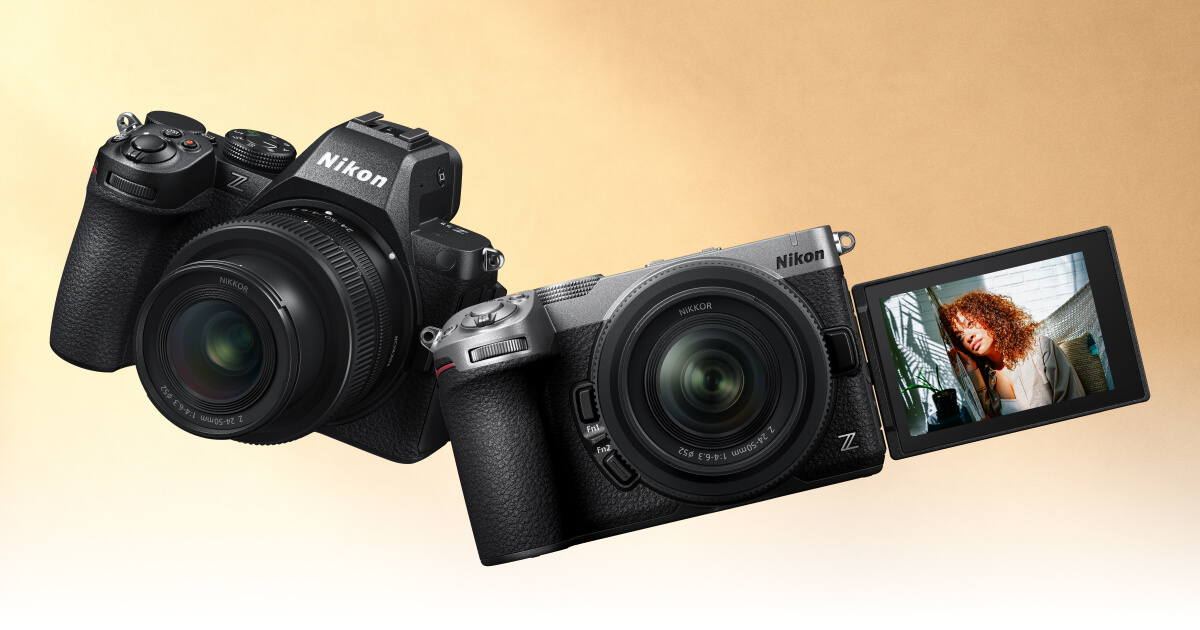
The Nikon Z5II hit the market in 2025; it is not an October 2026 launch. We review its confirmed specs, what can be verified about its price and availability, and how to distinguish it from the Z5IIC.

A MIT study reveals that despite massive adoption of generative AI tools, the vast majority of organizations fail to translate this investment into measurable economic results. We analyze structural causes, the European regulatory framew...
Amid the flood of predictions about local AI, this guide explains what primary evidence a manufacturer must provide to validate that a model truly runs on user hardware, and how to cross-check dates and specifications.
A cybercriminal used autonomous AI agents to attack over 100 organizations in five days, stealing 600,000 credit cards at an average cost of $25 per company. The incident, documented by Gambit Security, marks a milestone in offensive aut...
▌▌▌RETROPAUSE
Analysis of how hardware limitations and the shift to graphical interfaces defined the learning curve of Autodesk 3ds Max in its DOS release.
▌▌▌RETROPAUSE
Beyond bonbon production, La Herminia's history is understood through its lithographic plates. This report examines how 1960s graphic advertising in Asturias documented an industrial transition and left a tangible legacy in local collect...
Bosch presented its third-generation silicon carbide chips in May 2026, announcing a 20% performance boost. This figure describes a component improvement, not a proven range gain: comparable data in inverters and vehicles is still needed...

The meaning of an AdBlue warning depends on the vehicle. Note the dashboard message and consult the official documentation for your car's brand, model, and year.
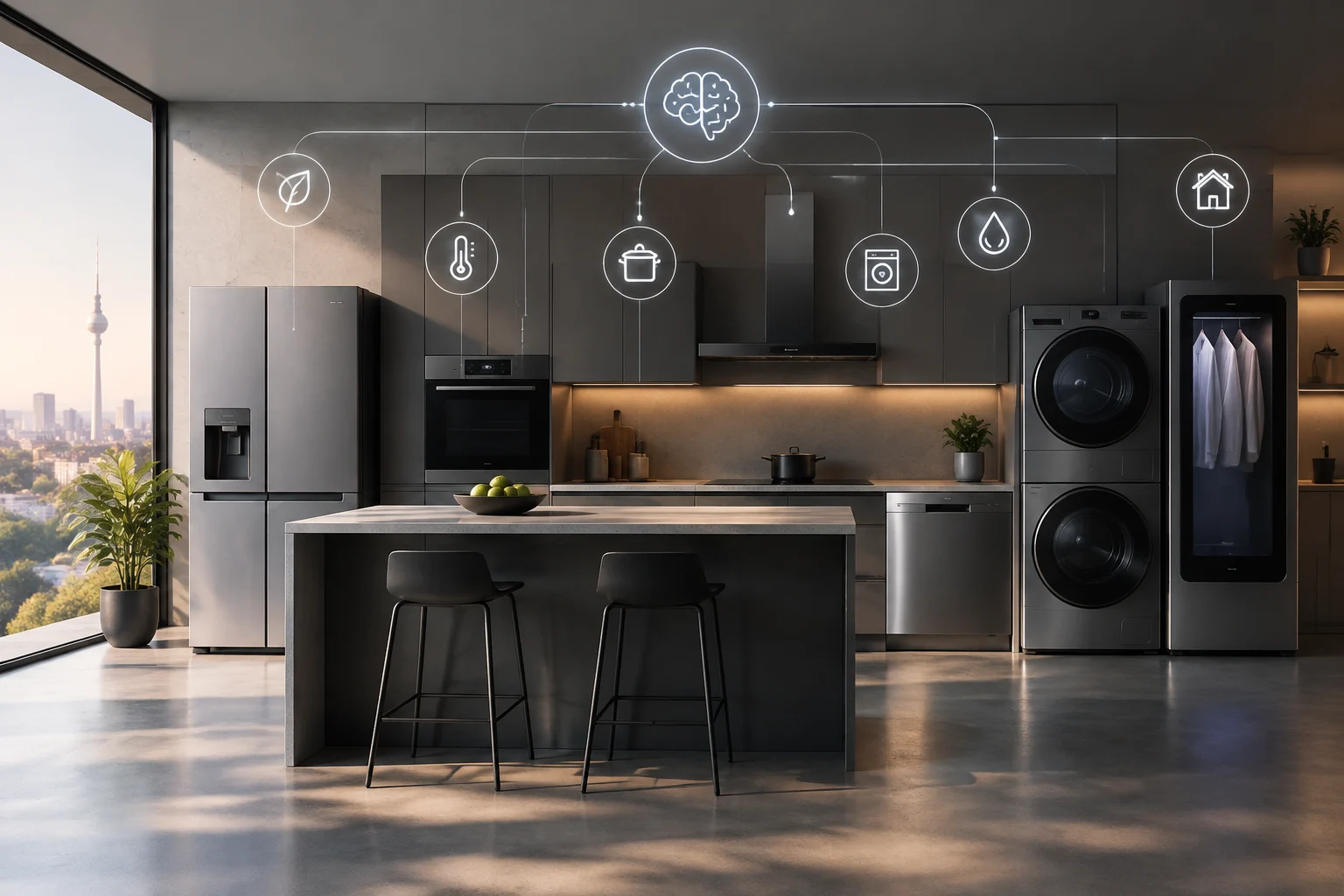
LG has revealed in Berlin a new generation of seven appliances focused on energy efficiency and artificial intelligence. We analyze the confirmed specifications, actual availability in Europe, and the technical limits of these features.
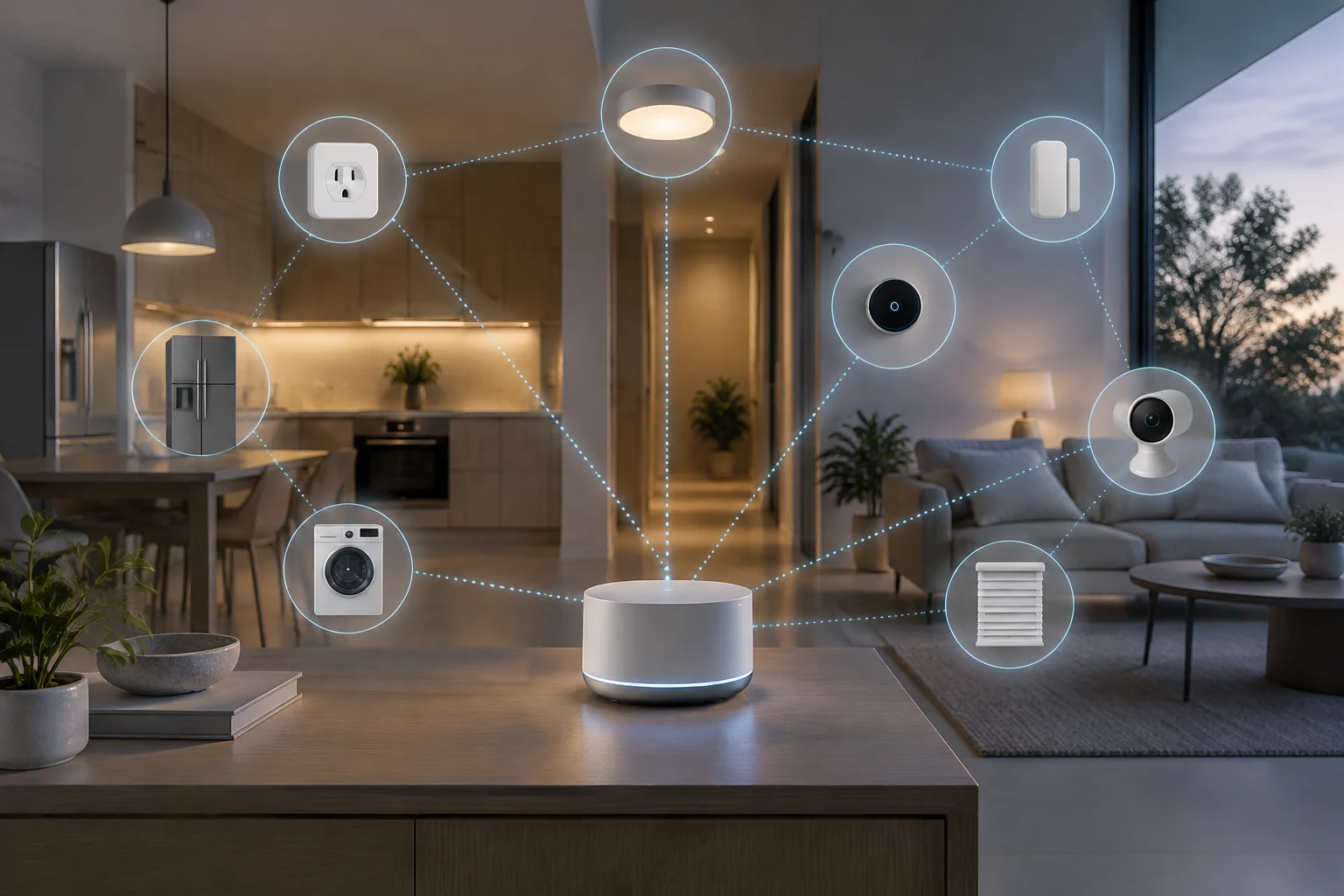
Matter 1.3 standardizes energy measurement and new appliances, but real compatibility depends on certification and the Thread border router. This guide explains how to distinguish marketing promises from verifiable interoperability in 20...

Analysis of how Wi-Fi, BLE, ZigBee, and 5G integrate into industrial collaborative robots, their latency requirements, and practical decisions for selecting the right protocol.

DeepSeek has released its internal inference framework, which it already uses in production with V4.1-Flash. The release may facilitate self-hosted deployments, but the available sources do not independently confirm its performance advan...

No official wearable announcement dated October 2026 has been identified. This piece explains what primary sources exist, what is missing to confirm a novelty, and how to interpret the current sector context.
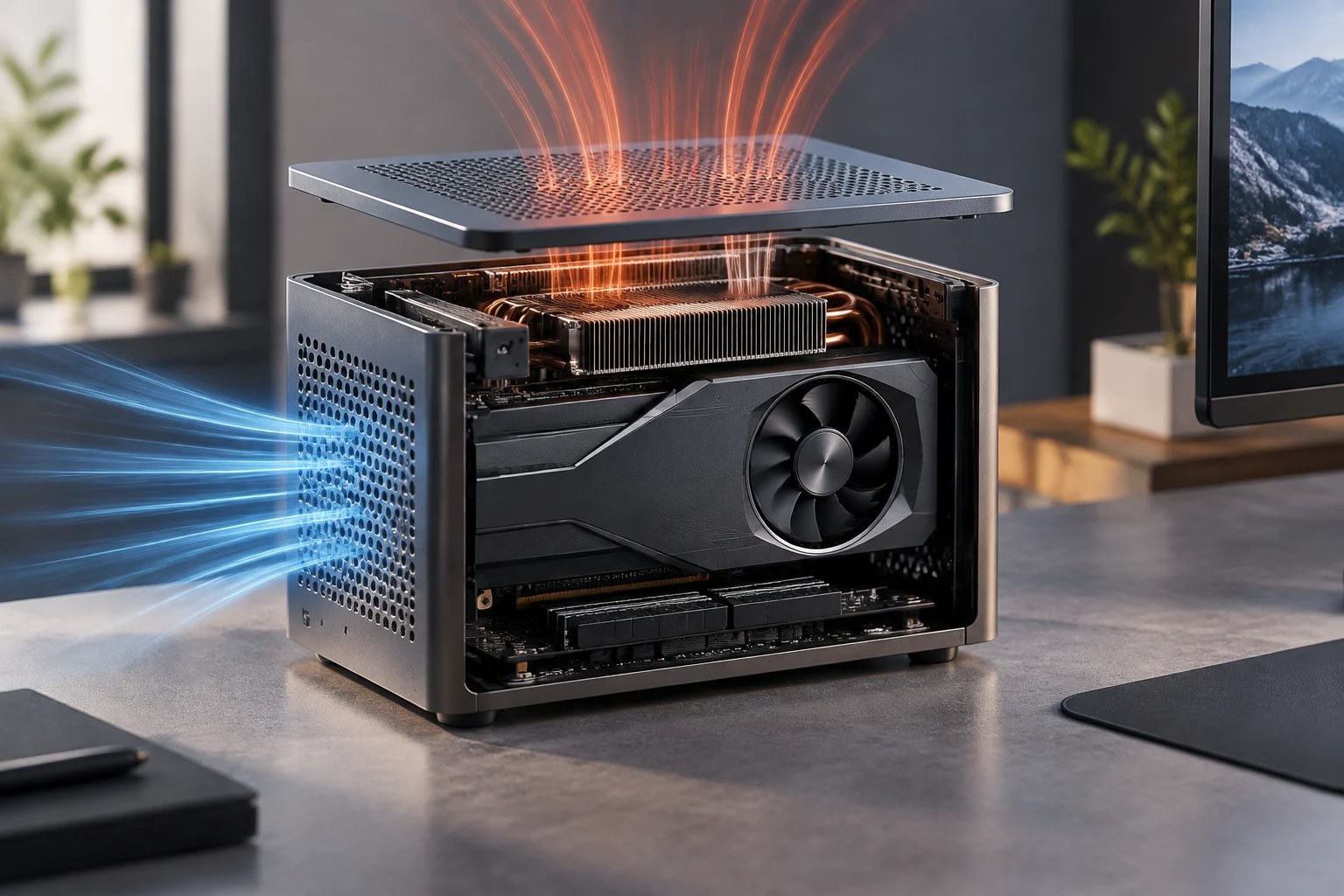
2026 compact chassis integrate latest-gen GPUs, but thermal density and memory bandwidth determine real performance. A practical guide to auditing specs before buying.

iOS 27 is now available, but the flagship feature, Siri AI, requires signing up for a waitlist. Additionally, the Photos app incorporates AI tools for spatial reframing and object cleanup.

Apple announced the iPhone Duo on September 9, 2026. The official sheet confirms the foldable format and some screen data, but does not support several market specifications and forecasts circulated before and after the announcement.
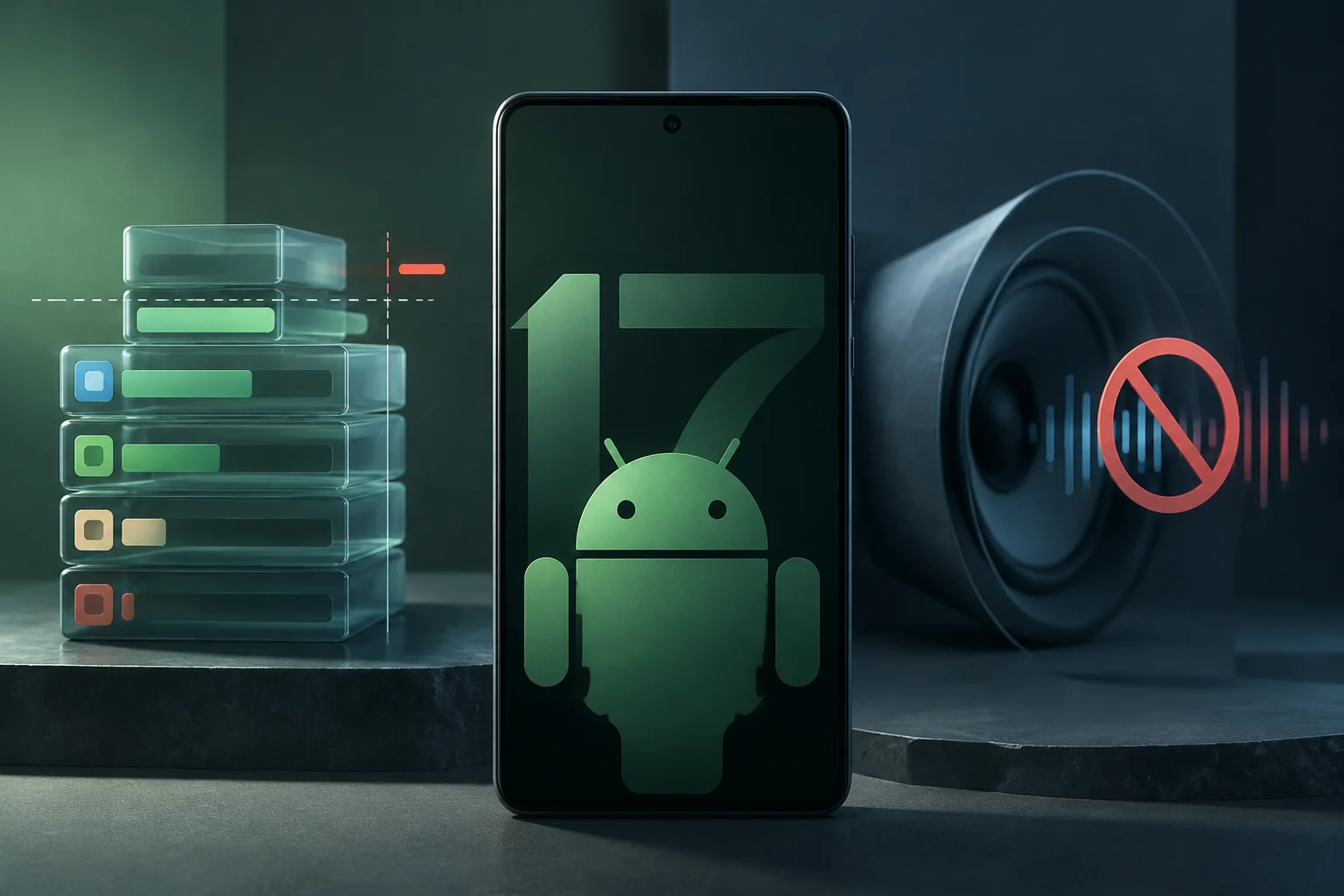
Android 17 introduces technical restrictions that redefine resource management: per-app memory caps and strict background audio control. We analyze how they affect system stability and what developers and advanced users should do.
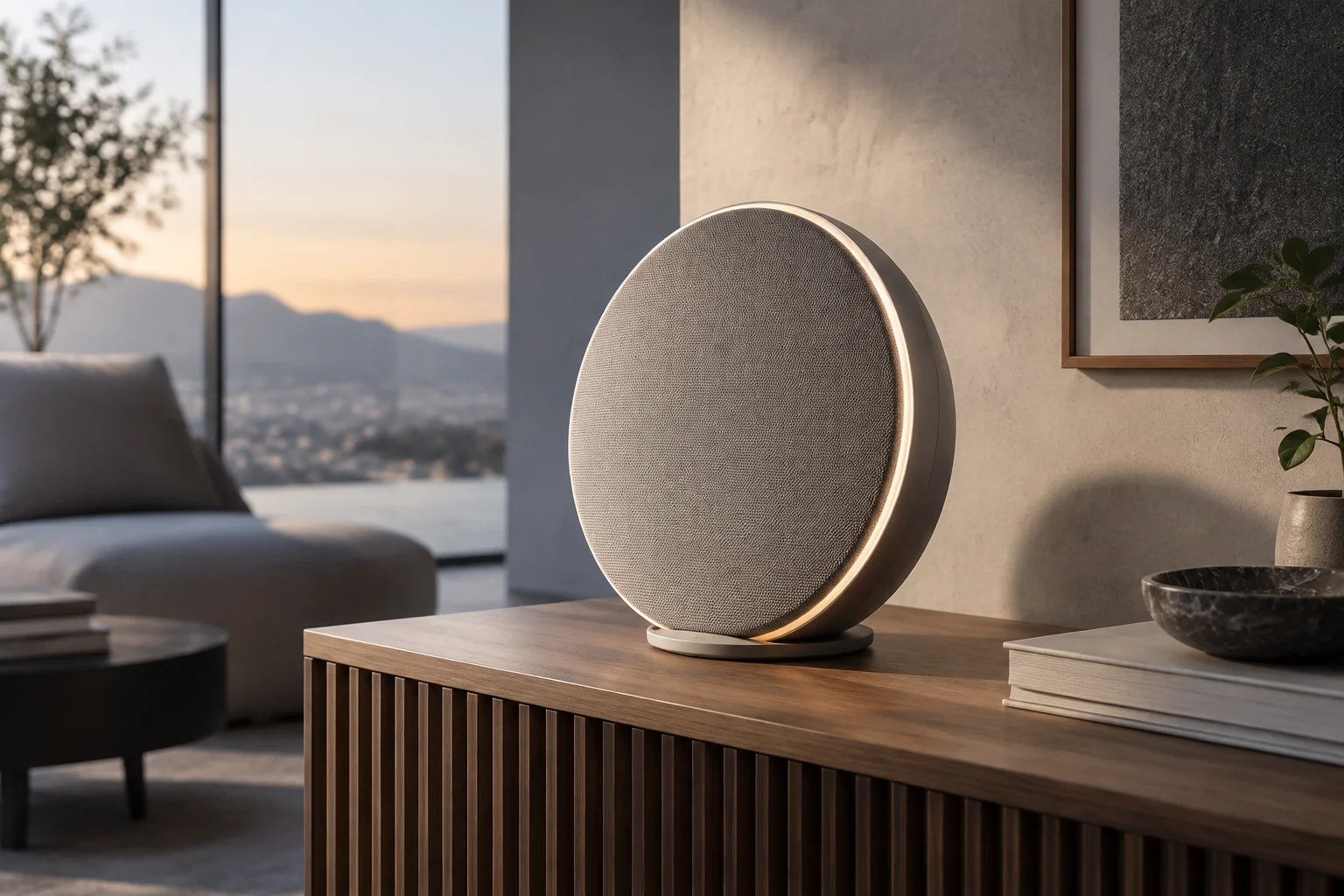
Samsung announced the Music Studio lineup before CES 2026: Wi-Fi speakers with a circular design and a proposal focused on combining home sound with multi-device integration. Here is what is confirmed and what should not yet be taken for...