The material archive: why restoration begins with observation
We analyze how prior documentation and historical context determine the ethics of intervention in heritage, preventing repair from erasing the object's memory.
The latest stories from our publications, in one place.
Read the full story on the original publication’s website.
We analyze how prior documentation and historical context determine the ethics of intervention in heritage, preventing repair from erasing the object's memory.
An analysis of the 8×8 grid as a functional component organizing positions and decisions, positioning the board as a material document rather than just a game object.
Museum garments preserve more than design. Their materials, traces of use and social context make textile conservation an interpretive task as well as a matter of physical care.
Beyond aesthetics, academic research suggests that the value of retro objects lies in the buyer's emotional projection. An analysis of the factors that segment this market and define its cultural relevance.
Beyond physical preservation, contemporary music archives seek to transform sound documentation into a living cultural experience through curation and technology.
The shift to accessible graphical interfaces transformed the computer from an expert tool to a daily object. This analysis examines the cultural and technical impact of Windows 95 on the maturity of home software.
The conservation of design archives goes beyond technique to become an act of cultural interpretation that defines how design memory is preserved and disseminated.
The European Union has mandated longer‑lasting batteries since 2025, and from 2027 users will be able to replace them without specialised tools. We analyse the impact on manufacturers, consumers and the repair market.
Waymo prepares tests in Madrid with supervised vehicles and plans to open an autonomous service in 2027. The commercial calendar is not a confirmed launch date: details on zones, access, and fares are still pending.
A rigorous definition of reasoning capabilities in language models, a step-by-step explanation of their operation, three applied examples, evaluation methods, and an analysis of documented limitations from primary literature.
On October 8, 2026, the Spanish Data Protection Agency published the second issue of the journal *Privacy, Innovation and Technology*. The special issue addresses the GDPR's tenth anniversary and various challenges linked to technologica...
Uncertainty measures the degree of lack of certainty regarding a prediction or measurement. This entry explains the fundamental distinction between aleatoric (inherent noise) and epistemic (lack of knowledge) uncertainty, details quantif...
Amazon has announced a commitment to offer 30,000 entry-level roles to young people in the UK by 2030. Its Youth Promise also includes more than 10,000 work-experience places, expanded pre-employment support and recruitment events aimed...
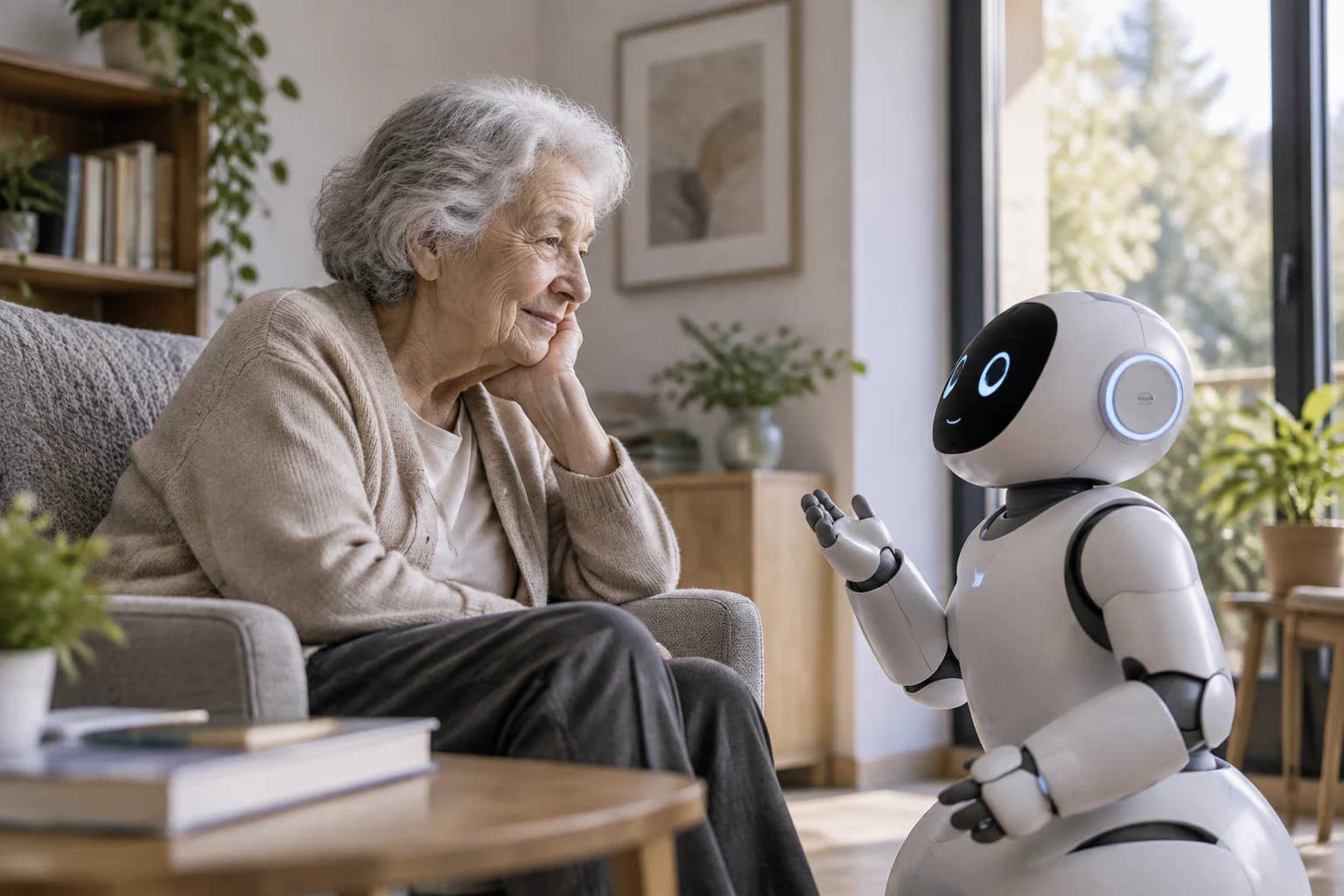
Assistive social robotics can facilitate interactions and support tasks, but this does not by itself prove improvements in well-being or autonomy. This guide separates concepts, documented claims, and the limits of accessible evidence, o...
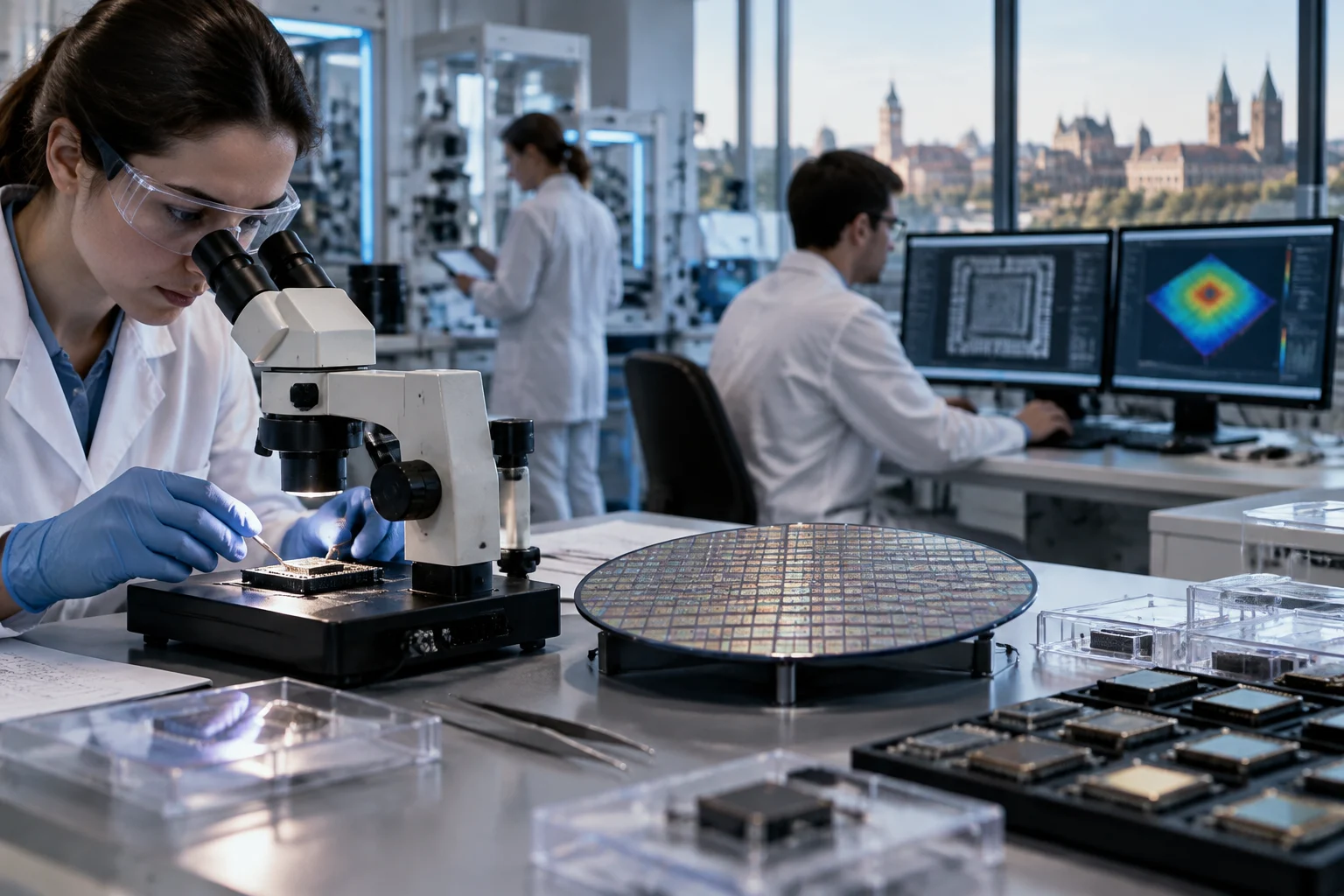
The 17 Chip Chairs program funds university training and R&D in microelectronics alongside companies. Public information confirms its design, scope, and objectives, but does not allow verification of aggregated results regarding patents,...
AI demand has reconfigured memory production. We analyze the causes of the DDR5 shortage, its impact on prices, and the criteria to distinguish a temporary spike from a structural shift.
Software does not age like paper. This analysis examines strategies by institutions like the Collection Trust to keep digital memory alive against rapid technological obsolescence.
Beyond chronology, the transition from the Odyssey to the Channel F established the interchangeable hardware standard that allowed industry expansion before the 1983 crash.